Dorosoma petenense
System : Marine_freshwater_brackish
Kingdom
Phylum
Class
Order
Family
Animalia
Chordata
Actinopterygii
Clupeiformes
Clupeidae
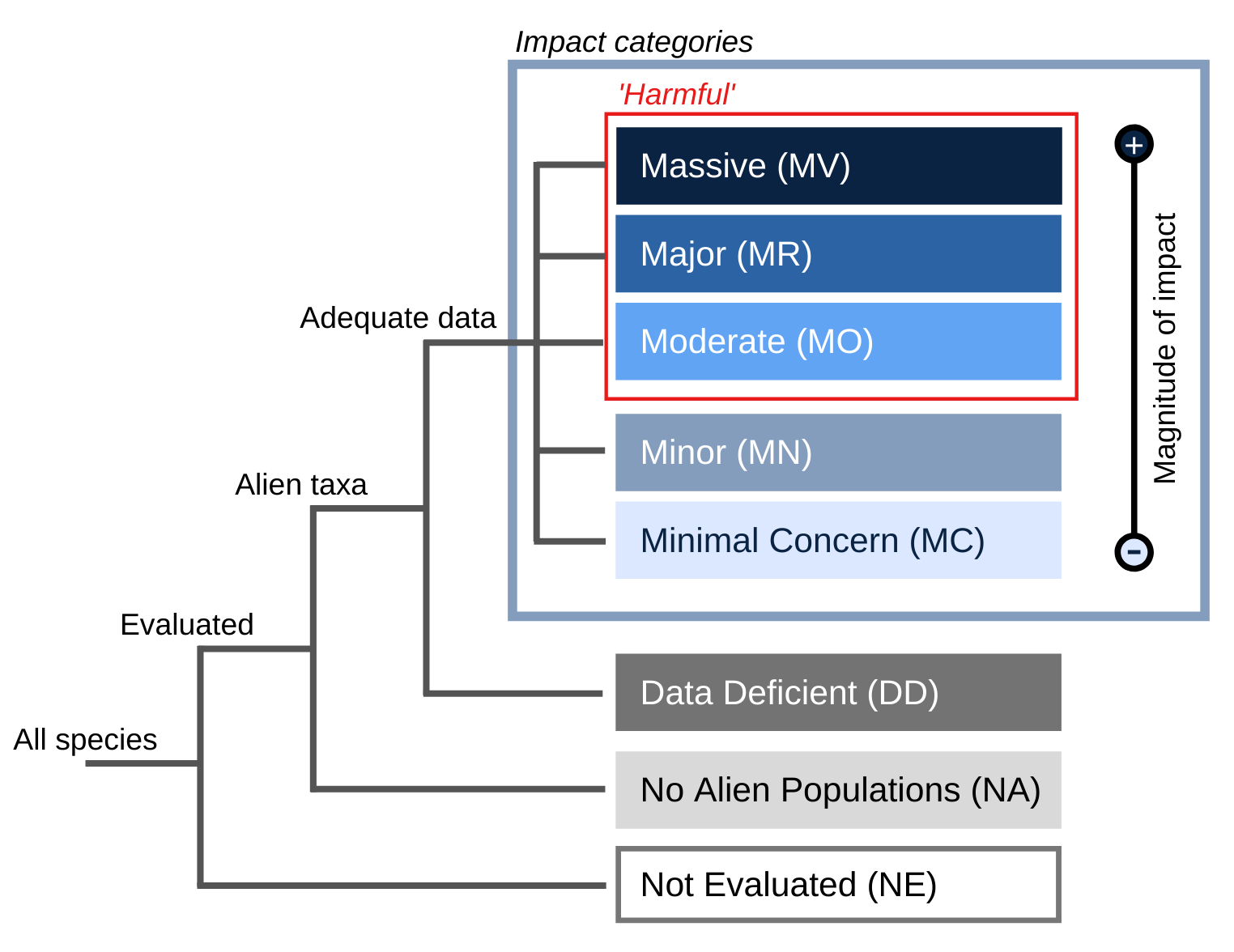
- Not Evaluated
NE - No Alien Population
NA - Data Deficient
DD - Minimal Concern
MC - Minor
MN - Moderate
MO - Major
MR - Massive
MV
- General
- Distribution
- Impact
- Management
- Bibliography
- Contact
Common name
Threadfin Shad (English)
Synonym
Chatoessus mexicanus ,(Günther 1868)
Meletta petenensis ,(Günther 1867)
Signalosa atchafalayae ,(Evermann & Kendall, 1898)
Signalosa atchafalayae vanhyningi ,(Weed, 1925)
Signalosa mexicana campi ,(Weed, 1925)
Meletta petenensis ,(Günther 1867)
Signalosa atchafalayae ,(Evermann & Kendall, 1898)
Signalosa atchafalayae vanhyningi ,(Weed, 1925)
Signalosa mexicana campi ,(Weed, 1925)
Similar species
Summary
Principal source:
Compiler:
Review:
Publication date:
Recommended citation: Global Invasive Species Database (2026) Species profile: Dorosoma petenense. Downloaded from http://iucngisd.org/gisd/speciesname/Dorosoma%2Bpetenense on 22-10-2026.